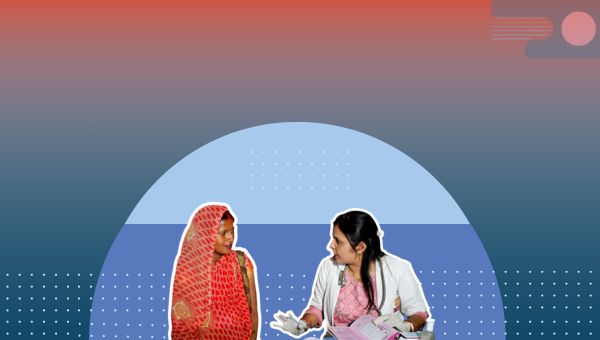
Uttar Pradesh’s ANM rationalization initiative demonstrates how e-HRMS workforce data can support more equitable deployment of frontline health workers across the public health system. Undertaken with technical support from UP TSU, the exercise identified deployment gaps, redeployed ANMs to priority sub- centres, substantially reduced vacancies, and strengthened last-mile maternal and child health service availability through data-informed human resource planning and accountability at scale.
Read More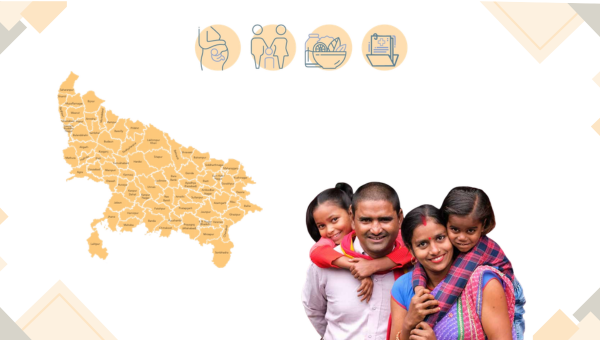
The Uttar Pradesh Technical Support Unit (UP TSU) supports the Government of Uttar Pradesh to improve reproductive, maternal, newborn, and child health and nutrition outcomes across all 75 districts and 820 blocks. Led by IGPH, University of Manitoba, in partnership with IHAT, the programme applies a Program Science approach to strengthen community, facility and health-system platforms, reduce inequities, and improve effective coverage at scale.
Read More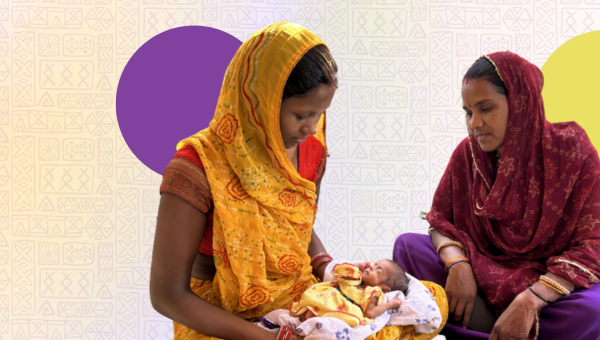
Project MANCH, launched in 2021 in Shahdol district through a collaboration between NHM-MP, HCLFoundation and IHAT, is a pivotal initiative to improve health outcomes among tribal populations. The project focuses on enhancing antenatal and postnatal care coverage, identifying and tracking high-risk pregnancies and newborns, addressing home delivery challenges, and building the capacity of frontline health workers, including ASHAs, Anganwadi Workers, ANMs, and Nursing Officers.
Read More
UP TSU, in collaboration with the Government of Uttar Pradesh, conducted a qualitative study to explore barriers to the continued use of Antara (injectables) and Chhaya (weekly contraceptive pills). Insights from users, FLWs, and providers highlighted concerns regarding side effects, complexity in the dosage schedule, and other factors, deterring their sustained use. The study underscores the need for user-focused strategies and improved provider engagement to enhance sustained use of the new contraceptives.
Read More
UP TSU, in consultation with the Government of Uttar Pradesh, conducted a qualitative study with Traditional Method (TM) users and FLWs to understand the factors driving TM adoption and continuation. Findings showed that normative acceptance and clarity on the effects of TM, as opposed to the complexities in the adoption and use of modern methods, facilitated TM use. It also highlighted the need for tailored interventions, specific to the family planning needs of women across all parity levels.
Read More