Madhya Pradesh, home to over 72 million people, is working to improve maternal and newborn health outcomes in line with national priorities. The state’s diverse population, including a significant tribal community, presents both challenges and opportunities to strengthen healthcare systems. Ensuring timely access to emergency obstetric and newborn care at First Referral Units (FRUs) is central to this effort, as these facilities play a critical role in managing complications and saving lives.
The Government of Madhya Pradesh (GoMP) invited IHAT (Madhya Pradesh Innovation Hub (MPIH) to demonstrate the mentoring model to demonstrate RRTC Programme implemented in Uttar Pradesh. IHAT with strategic support from the Institute for Global Public Health, University of Manitoba (IGPH-UoM), works in Madhya Pradesh under the framework of the Madhya Pradesh Innovation Hub instituted under a memorandum of understanding signed with the GoMP. The MPIH supports the GoMP to identify public health challenges and codesign interventions to improve population health outcomes. IHAT launched the RRTC (Mentoring Model) Programme in 2022, with an aim to strengthen the competencies of healthcare teams including doctors and nurses at FRUs, track their functional status, and facilitate their activation. As of 2025, the RRTC initiative has been incorporated into the GoMP’s Project Implementation Plan (PIP), expanding its reach from three to six medical colleges across six divisions of the state.
In the first phase, RRTCs were established at three medical colleges, across MP. From the second phase, all six Medical Colleges are being developed as Centre of Excellence (CoE). Each medical college, acting as CoE, is responsible for strengthening FRUs within its assigned region by helping activate specific CEmONC signal functions and improve the overall quality of BEmONC and CEmONC services.
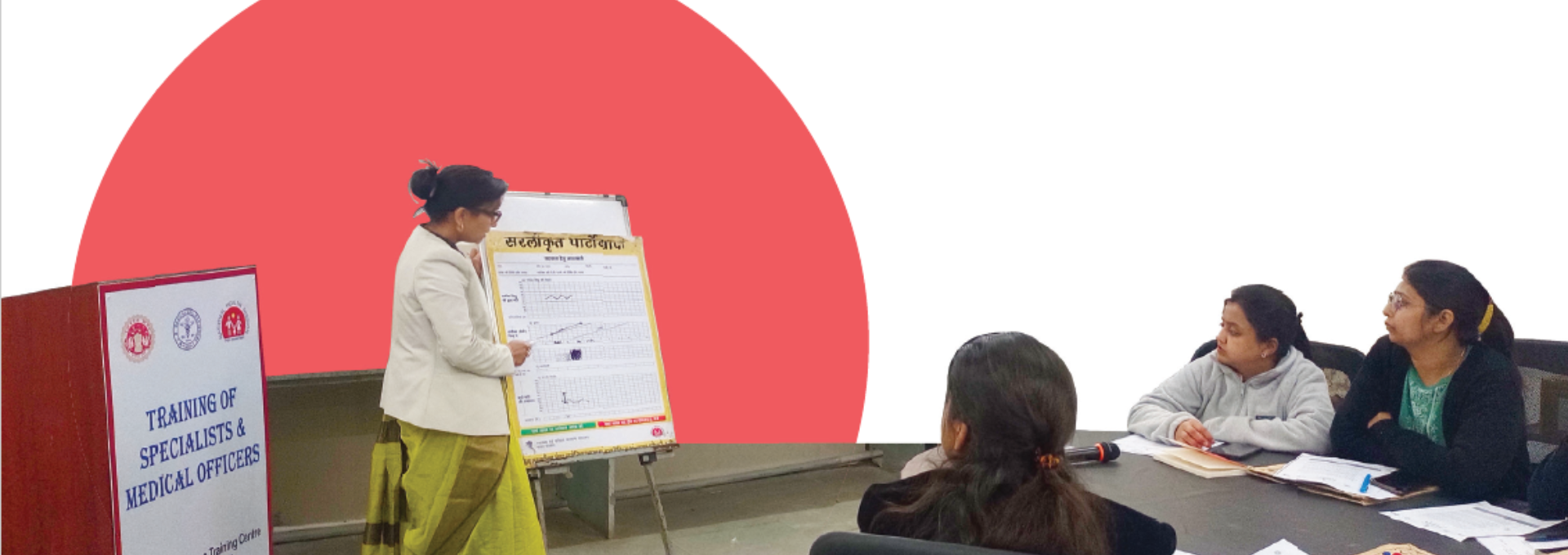
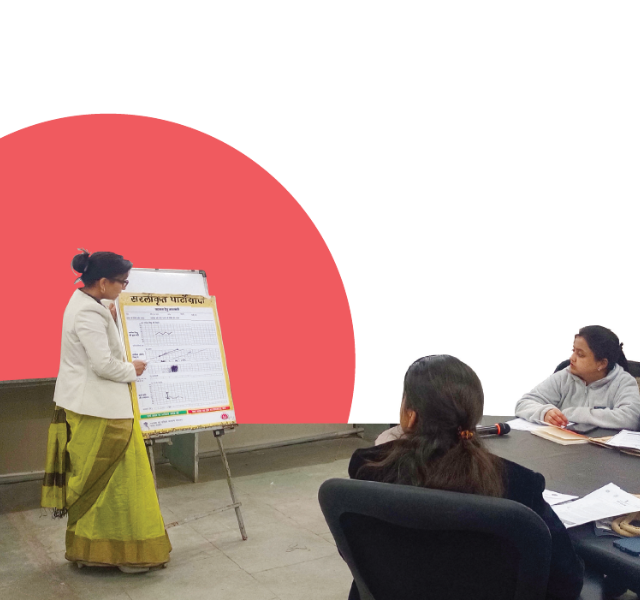
Medical college faculty provide both classroom training and onsite mentoring to teams of specialists, medical offi cers, and nursing offi cers posted at FRUs. Mentoring focuses on (i) early identifi cation, (ii) on-site management of maternal and newborn complications, (iii) prereferral stabilisation, and (iv) timely referral to higher facilities when needed.
The mentoring model has expanded across multiple districts, creating a strong foundation for sustainable improvements in healthcare. Doctors and specialists have received hands-on training, and mentoring visits have helped address real-time challenges at facilities. Looking ahead, the programme plans to introduce advanced clinical topics, include nurse mentors for holistic care, and scale up to additional medical colleges in Madhya Pradesh.
This brief outlines the implementation approach, key outcomes, lessons learned, operational challenges, and future directions of the RRTC mentoring model in Madhya Pradesh.