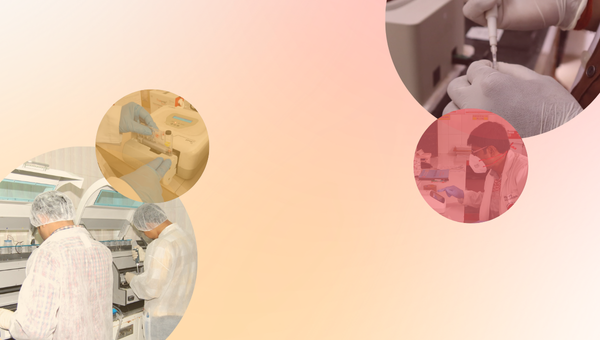
IHAT implements the Tuberculosis (TB) Diagnostic Network Optimization project in Uttar Pradesh. IHAT works in collaboration with the State TB cell to expand and decentralize rapid molecular testing, optimize equipment placement for enhanced population accessibility and performance of services, thereby increasing coverage and reducing inequities in access to TB diagnostics for individuals accessing TB services in both public and private sectors.
Read More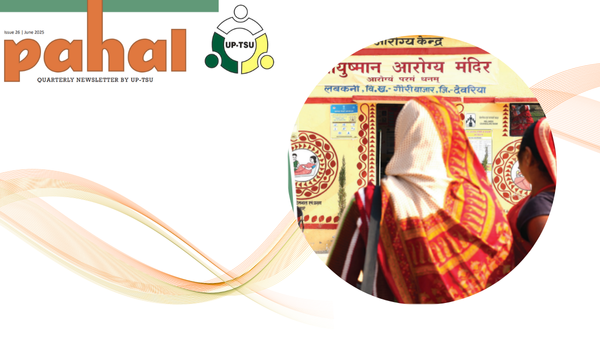
The 26th edition of the PAHAL newsletter – a reflection of our collective support to the Department of Health Department of Medical Education and ICDS towards strengthening public health services across community, facility, and health systems in Uttar Pradesh.
Read More
UP TSU, in collaboration with the Government of Uttar Pradesh, conducted a qualitative study to explore barriers to the continued use of Antara (injectables) and Chhaya (weekly contraceptive pills). Insights from users, FLWs, and providers highlighted concerns regarding side effects, complexity in the dosage schedule, and other factors, deterring their sustained use. The study underscores the need for user-focused strategies and improved provider engagement to enhance sustained use of the new contraceptives.
Read More
UP TSU, in consultation with the Government of Uttar Pradesh, conducted a qualitative study with Traditional Method (TM) users and FLWs to understand the factors driving TM adoption and continuation. Findings showed that normative acceptance and clarity on the effects of TM, as opposed to the complexities in the adoption and use of modern methods, facilitated TM use. It also highlighted the need for tailored interventions, specific to the family planning needs of women across all parity levels.
Read More
The Odisha Exemplar Report highlights the state’s substantial progress in reducing maternal and newborn mortality between 2000 and 2018, surpassing most other high-mortality states in India. These findings are part of the Exemplars in Maternal and Newborn Health Study, which aims to understand positive outliers and inform policy and practice.
Read More