
UP TSU, in collaboration with the Government of Uttar Pradesh, conducted a qualitative study to explore barriers to the continued use of Antara (injectables) and Chhaya (weekly contraceptive pills). Insights from users, FLWs, and providers highlighted concerns regarding side effects, complexity in the dosage schedule, and other factors, deterring their sustained use. The study underscores the need for user-focused strategies and improved provider engagement to enhance sustained use of the new contraceptives.
Read More
UP TSU, in consultation with the Government of Uttar Pradesh, conducted a qualitative study with Traditional Method (TM) users and FLWs to understand the factors driving TM adoption and continuation. Findings showed that normative acceptance and clarity on the effects of TM, as opposed to the complexities in the adoption and use of modern methods, facilitated TM use. It also highlighted the need for tailored interventions, specific to the family planning needs of women across all parity levels.
Read More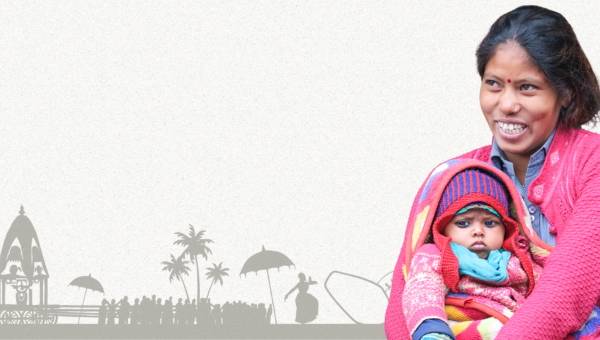
The Odisha Exemplar Report highlights the state’s substantial progress in reducing maternal and newborn mortality between 2000 and 2018, surpassing most other high-mortality states in India. These findings are part of the Exemplars in Maternal and Newborn Health Study, which aims to understand positive outliers and inform policy and practice.
Read More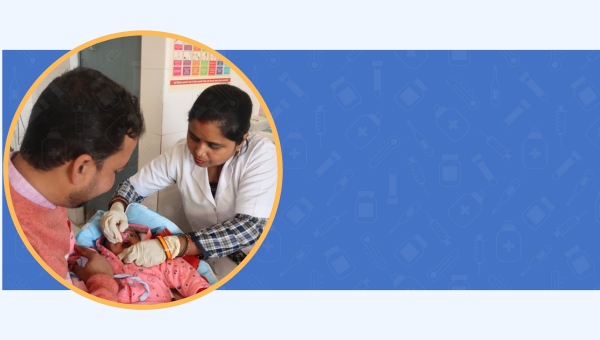
UP TSU conducted exploratory conversations with mothers of zero dose children as part of the Zero Dose Learning Agenda (ZDLA). This research aimed to identify the local determinants leading to missed childhood vaccinations in specific geographies and examine gendered barriers to immunisation. This brief summarises the insights exploring gendered barriers impacting childhood immunisation and strategies to mitigate these barriers, focusing on gender inequality.
Read More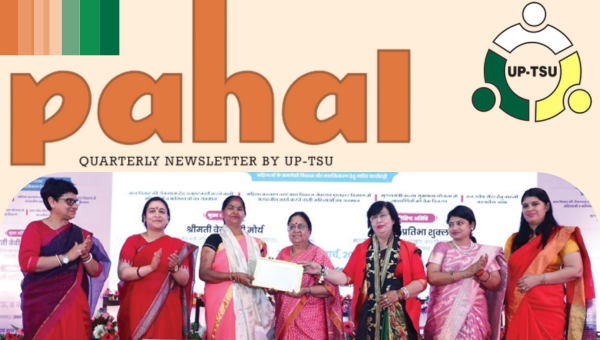
PAHAL Issue 25 reflects UP TSU’s continued support to the Health Department and ICDS in strengthening reproductive, maternal, newborn, child, & adolescent health and nutrition services across community, facility, and health system levels in Uttar Pradesh. This issue captures early-year efforts focused on improving family planning service delivery, enhancing facility readiness, and strengthening frontline capacities through targeted mentoring and training interventions.
Read More