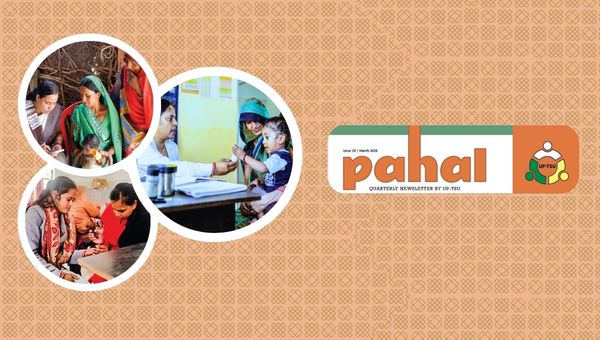
PAHAL Issue 29 brings together stories reflecting continued support to the Health Department and ICDS in strengthening public health services across Uttar Pradesh. It highlights key initiatives, including expanding family planning choices with MPA-SC, capacity building of Mukhya Sevikas, and milestones such as the DVDMS mobile app, eHRMS-based PIP rationalisation, and the State Task Force for SBC, alongside community-led progress in maternal and child health.
Read More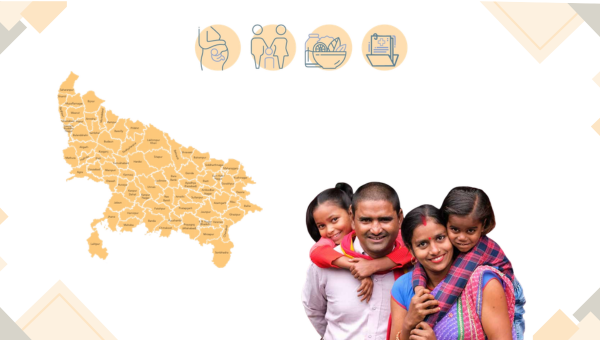
The Uttar Pradesh Technical Support Unit (UP TSU) supports the Government of Uttar Pradesh to improve reproductive, maternal, newborn, and child health and nutrition outcomes across all 75 districts and 820 blocks. Led by IGPH, University of Manitoba, in partnership with IHAT, the programme applies a Program Science approach to strengthen community, facility and health-system platforms, reduce inequities, and improve effective coverage at scale.
Read More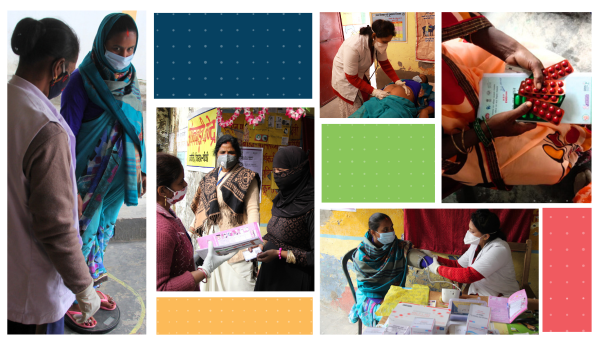
Reaching over 100,000 villages monthly, the CiVHSND is an essential healthcare platform in UP. This platform empowers communities by providing vital Reproductive, Maternal, Newborn, Child Health and Nutrition (RMNCH+N) services, with a focus on integrated, beneficiary-centric care. The Brief describes the methodology that was evolved by UP TSU along with GoUP to measure the availability, coverage, and quality of service delivery.
Read More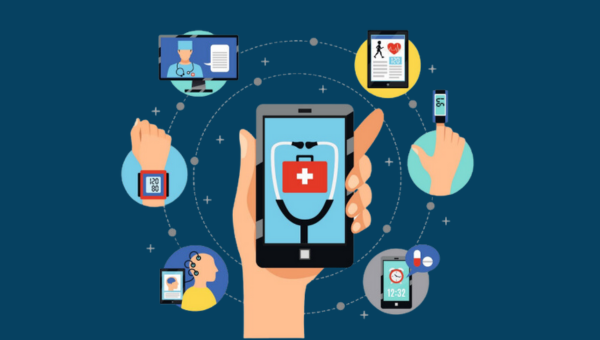
The Directorate of Medical Health launched the “Rakshak” D2C campaign, with UPTSU’s support, in 18 high-risk LF districts to combat Lymphatic Filariasis. The primary goal was to boost awareness, dispel myths, and improve medicine adherence in rural and urban areas. The note highlights how digital segmentation was used for personalized messaging. The campaign also focused on enhancing ASHA workers’ skills for better community mobilization and counselling efforts.
Read More
The 19th edition of the PAHAL newsletter provides updates on UP-TSU’s efforts in strengthening the SBA recruitment process through digitalisation, digitally enabling FLWs with eKavach implementation improving the health data quality across all 18 divisions of the state, and other key activities.
Read More