shortfall in public health systems1
increase in doctor to population ratio from 1/1681 (2015-16) to 1/1456 (2019-20)2
Indians without regular access to essential medicines3
PMBJP Kendra dispensing affordable medicines & surgical supplies established across the country4
Overall care and
Inpatient care
delivered through private sector and informal providers5
Over
Public facilities added in rural areas between 2005 and 20192
of total health expenditure is out of pocket expenditure6
citizens provided financial protection from catastrophic health expenses through PMJAY7
Achieve universal health coverage, including financial risk protection, access to quality essential health-care services and access to safe, effective, quality and affordable essential medicines and vaccines for all.
Substantially increase health financing and the recruitment, development, training and retention of the health workforce.
In collaboration with the University of Manitoba, we are dedicated to supporting the Government of Uttar Pradesh & Madhya Pradesh to strengthen their public health systems. We work together to identify bottlenecks in health systems, streamline process and advocate evidence-informed health policy changes to make the public health systems more responsive and effective.
We support in strengthening systems that enable availability of real-time accurate information on the entire health workforce.
We advocate for policies to address key issues related to availability of critical HR through improvement in recruitment and transfer processes, developing plans for effective task shifting, and in developing effective performance management systems.
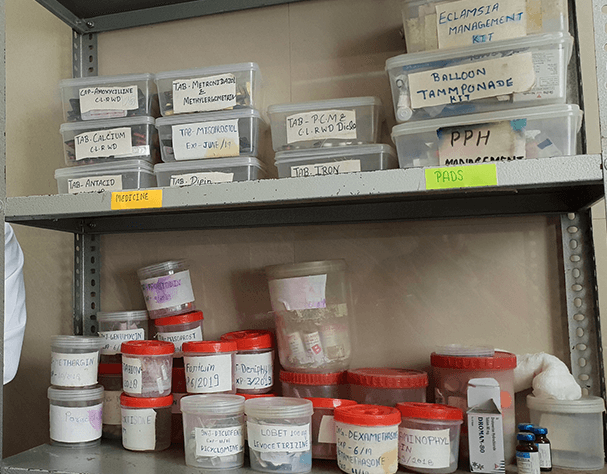
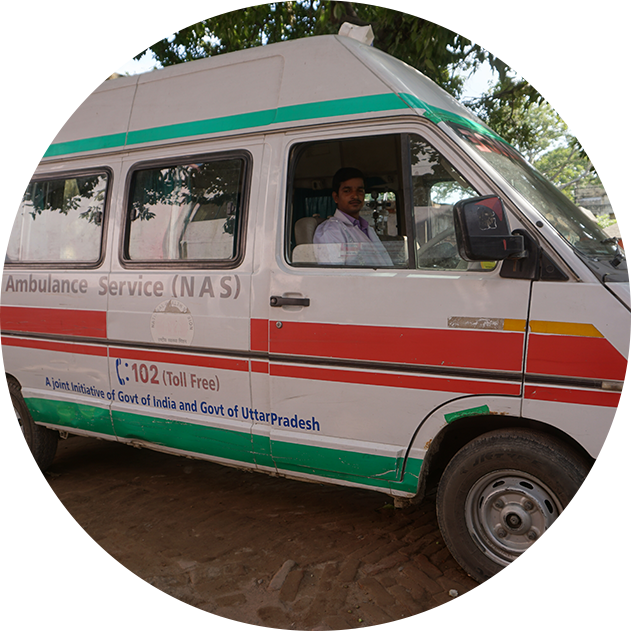
We support the establishment and operationalisation of an institutional mechanism for procurement and distribution of quality equipment, drugs and supplies.
We support the roll out and strengthening of Logistics Management Information System to monitoring availability of drugs and commodities to ensure access to essential service and medicines.
We support in generation of timely information and evidence for decision making. We work towards improving quality of data collected on the Health Information Management Systems and other government data systems by establishing institutional mechanism for auditing the quality of data.
We further support the government to make informed decisions on programs and policies through quantitative and qualitative surveys.
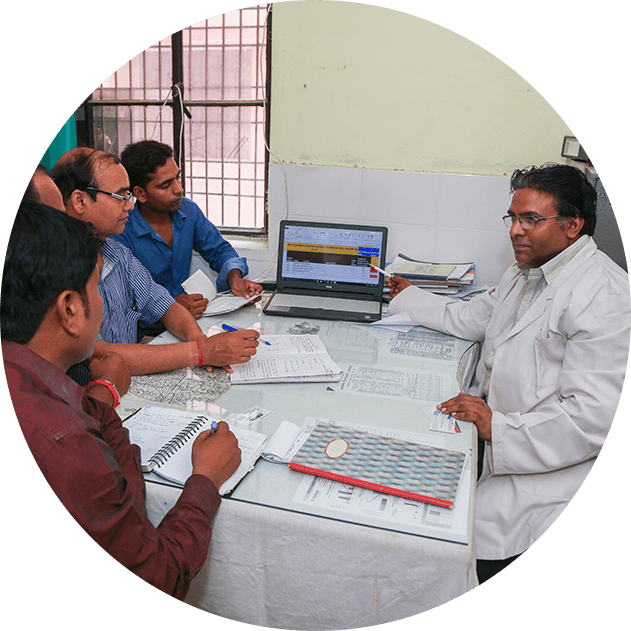

We support the development of comprehensive digital health strategy and in roll out of Information Technology enabled solutions to streamline transactional processes, to improve data quality through data capture at source, for development of integrated systems for enabling primary health care and to disseminate real time information through health dashboards to improve efficiency of the health system.
We support in leveraging the private sector in augmenting the public sector for provision of essential health services through Public Private Partnerships. IHAT supports the contract management process and establishing mechanism for oversight of the partnerships.
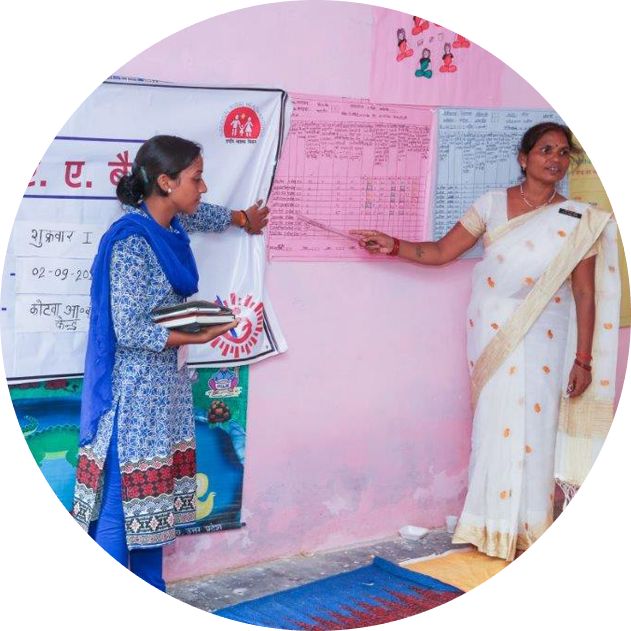
Support in developing effective strategies for behaviour change communication and for translating best practices into programs at large scale.

Uttar Pradesh’s ANM rationalization initiative demonstrates how e-HRMS workforce data can support more equitable deployment of frontline health workers across the public health system. Undertaken with technical support from UP TSU, the exercise identified deployment gaps, redeployed ANMs to priority sub- centres, substantially reduced vacancies, and strengthened last-mile maternal and child health service availability through data-informed human resource planning and accountability at scale.
Read More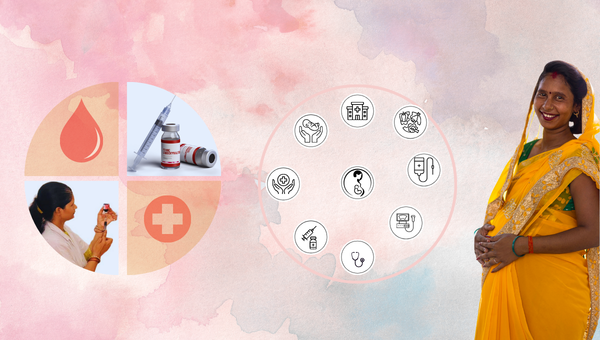
This knowledge brief documents the rollout of Ferric Carboxymaltose (FCM) for maternal anaemia management in Uttar Pradesh. It highlights the rationale for adopting FCM and its advantages as a single-dose intravenous iron therapy for improving maternal anaemia management. The brief also outlines efforts by the Uttar Pradesh Technical Support Unit and the State Government to support standardised implementation, procurement, and scale-up across public health facilities.
Read More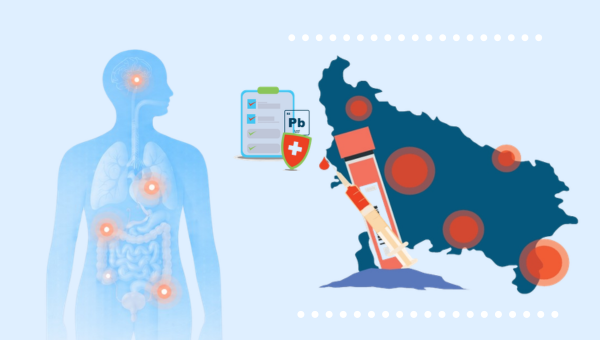
Lead toxicity is a preventable yet widespread public health challenge. Uttar Pradesh is among the top five states in India with a high burden of lead toxicity. This evidence brief outlines the scale of lead exposure, major sources, key system gaps, priority actions needed for prevention and a proposed strategic role that UP TSU can play in strengthening lead toxicity prevention and control in Uttar Pradesh.
Read More1 Access Barriers to Antibiotics, CDDEP
2 Rural Health Statistics 2019: Doctor Population Ratio
3 The World Medicines Situation Report 2011, WHO
4 Pradhan Mantri Bhartiya Jan Aushadhi Pariyojana
5 Key Indicators of Social Consumption – Health, NSS 75th Round
6 Rural Health Statistics 2020: Number of SCs, PHCs & CHCs Functioning in Rural Areas
7 WHO Health Financing Profile 2017
8 Ayushman Bharat Pradhan Mantri Jan Arogya Yojana, Public Dashboard: Number of Hospitalizations