Lead toxicity is a preventable yet widespread public health challenge. Uttar Pradesh is among the top five states in India with a high burden of lead toxicity. Uttar Pradesh carries a disproportionately high burden of childhood lead exposure in India, with serious implications on child health, cognitive development, learning, productivity, and long-term social and economic progress.
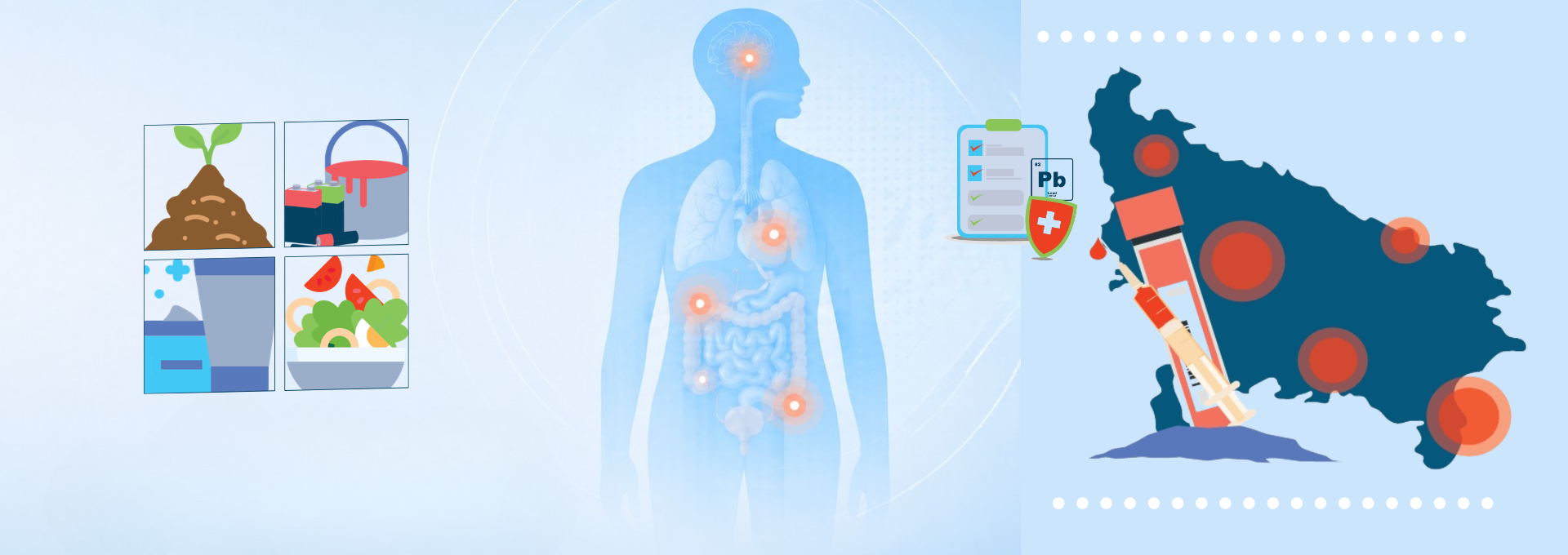
Exposure to lead can arise through multiple sources, including contaminated food, paints, contaminated drinking water, informal battery recycling, e-waste, ceramics, cosmetics, toys, and certain traditional products. The health effects are wide-ranging and include cognitive impairment, behavioural disorders, anaemia, renal dysfunction, cardiovascular disease, and other long-term harms.
Despite the growing evidence of lead exposure in Uttar Pradesh, systemic gaps continue to limit an effective public health response. These include the absence of a dedicated lead surveillance system, lack of uniform reporting protocols, uneven access to blood lead testing and treatment pathways, weak enforcement in high-risk sectors, inadequate occupational safeguards, and limited public awareness around prevention.
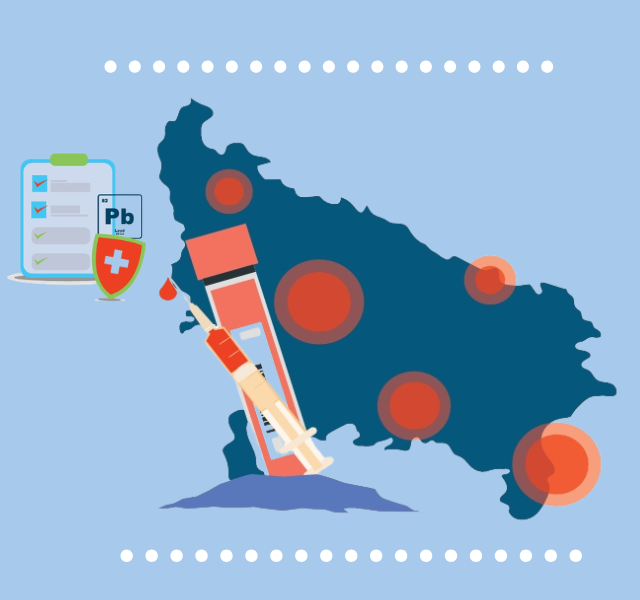
To address these gaps, UP TSU proposes a state-led, multi-sectoral framework for action. It recommends developing a formal State Action Plan, strengthening surveillance and clinical infrastructure, improving regulatory oversight of high-risk sectors, and sustaining public awareness and risk communication. It also underlines the need for hotspot mapping, integrated data systems, provider training, referral pathways, school-based prevention, and safer occupational practices.
This evidence brief outlines the scale of lead exposure, major sources, key system gaps, priority actions needed for prevention and a proposed strategic role that UP TSU can play in strengthening lead toxicity prevention and control in Uttar Pradesh.